One Big Beautiful Bill Act Shapes Debate Ahead of 2026 Midterms
The One Big Beautiful Bill Act, signed by President Trump in July 2025, is a central topic in the 2026 midterm election season. Republicans are promoting its tax cuts, while Democrats and experts point to affordability concerns and argue the…

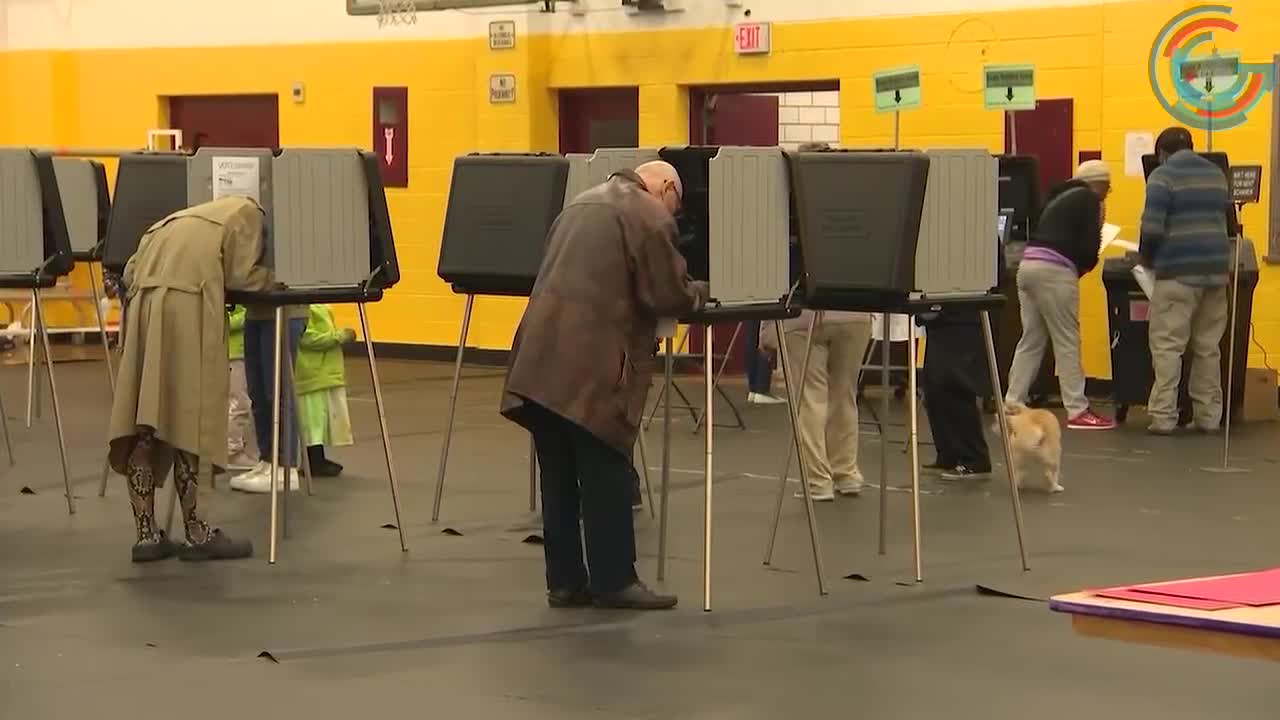
 Terre Haute, IN, October 27, 2026 —
The One Big Beautiful Bill Act, signed by President Trump in July 2025, has become a central issue in political debate ahead of the 2026 midterm elections. Campaign discourse around the law is focused on its tax cuts, affordability, the distribution of its benefits and access to health care.
Republicans are promoting the act’s tax cuts, while Democrats and experts have raised concerns about affordability. They also argue that the law disproportionately benefits high-income earners and reduces crucial social services, including Medicaid. The competing assessments have made the law a point of disagreement as candidates and political groups discuss its consequences for voters.
The debate connects the legislation to two concerns identified as influential in the election season: the cost of living and access to health care. Those issues are shaping how the act is discussed, but the available information does not specify particular voter responses, campaign messages, or changes in access to services.
The information provided does not detail the law’s individual tax provisions, the scope of any Medicaid reductions, or estimates of its effects on household costs. It also does not include polling, state-by-state comparisons, or specific statements from lawmakers, experts or voters. The arguments about who benefits and how social services may be affected are therefore presented here as positions attributed to Democrats and experts, rather than as independently quantified findings.
With the act already signed into law, its perceived effects remain part of the political discussion leading into the midterms. The available summary identifies cost of living and health care access as key themes, but does not establish how voters will weigh those issues or what role they will play in election outcomes.
Story summarized from the original created by Stetson Miller on www.wthitv.com, see more information here.
Media gallery