Alabaster Boy to Donate Bone Marrow to Sister Battling Sickle Cell Disease
In Alabaster, Alabama, a 13-year-old boy is set to donate bone marrow to his 9-year-old sister, who has sickle cell disease. The transplant, scheduled for January, offers her a chance at recovery.
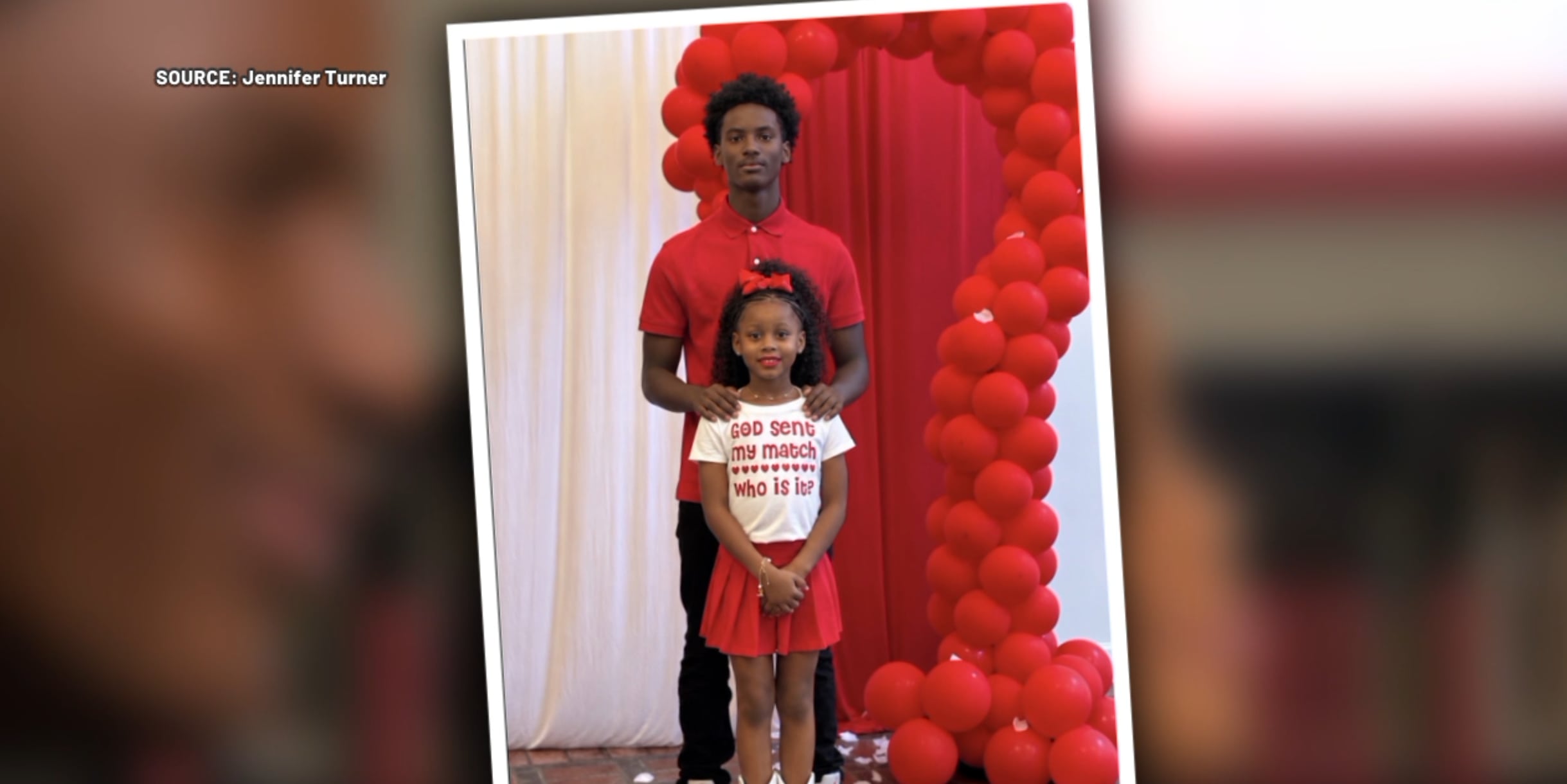
 Terre Haute, IN, October 8, 2026 — In Alabaster, Alabama, a significant medical procedure is scheduled for January involving two young siblings. A 13-year-old boy is preparing to donate bone marrow to his 9-year-old sister, who is currently living with sickle cell disease.
Sickle cell disease is a genetic disorder that affects red blood cells. These cells are normally round and move easily through blood vessels. However, in people with sickle cell disease, the red blood cells have an abnormal crescent or “sickle” shape. These sickle-shaped cells can block blood flow, leading to pain, organ damage, and other serious complications.
The bone marrow transplant, planned for January, represents a critical opportunity for the young sister. This procedure involves replacing unhealthy bone marrow with healthy stem cells, which can produce normal red blood cells. For individuals with severe sickle cell disease, a bone marrow transplant is considered a potential cure.
Details regarding the specific medical facility where the transplant will take place, the names of the children or their family, and the exact timeline within January were not provided. Information about the preparation process for both the donor and recipient, as well as the expected recovery period, was also not detailed in the available summary.
The family’s journey with sickle cell disease involves navigating the complexities of managing the chronic condition and preparing for this potentially life-altering transplant. The success of bone marrow transplants depends on various factors, including the compatibility between the donor and recipient. This particular case highlights the critical role of familial support and medical advancements in addressing serious genetic disorders.
Further information regarding the outcome of the transplant, the patient’s recovery, and any follow-up procedures has not yet been made available.
Story summarized from the original created by Sarah Verser, Gray News staff on www.wthitv.com, see more information here.
Media gallery