
Animal Shelters Nationwide Face Overwhelm Amid Geographic Mismatches
Animal shelters across the U.S. are overwhelmed due to geographic mismatches, where areas with fewer adopters have more animals in need. Programs like the ASPCA's relocation network are addressing this by transporting pets hundreds of miles, including by air, from…
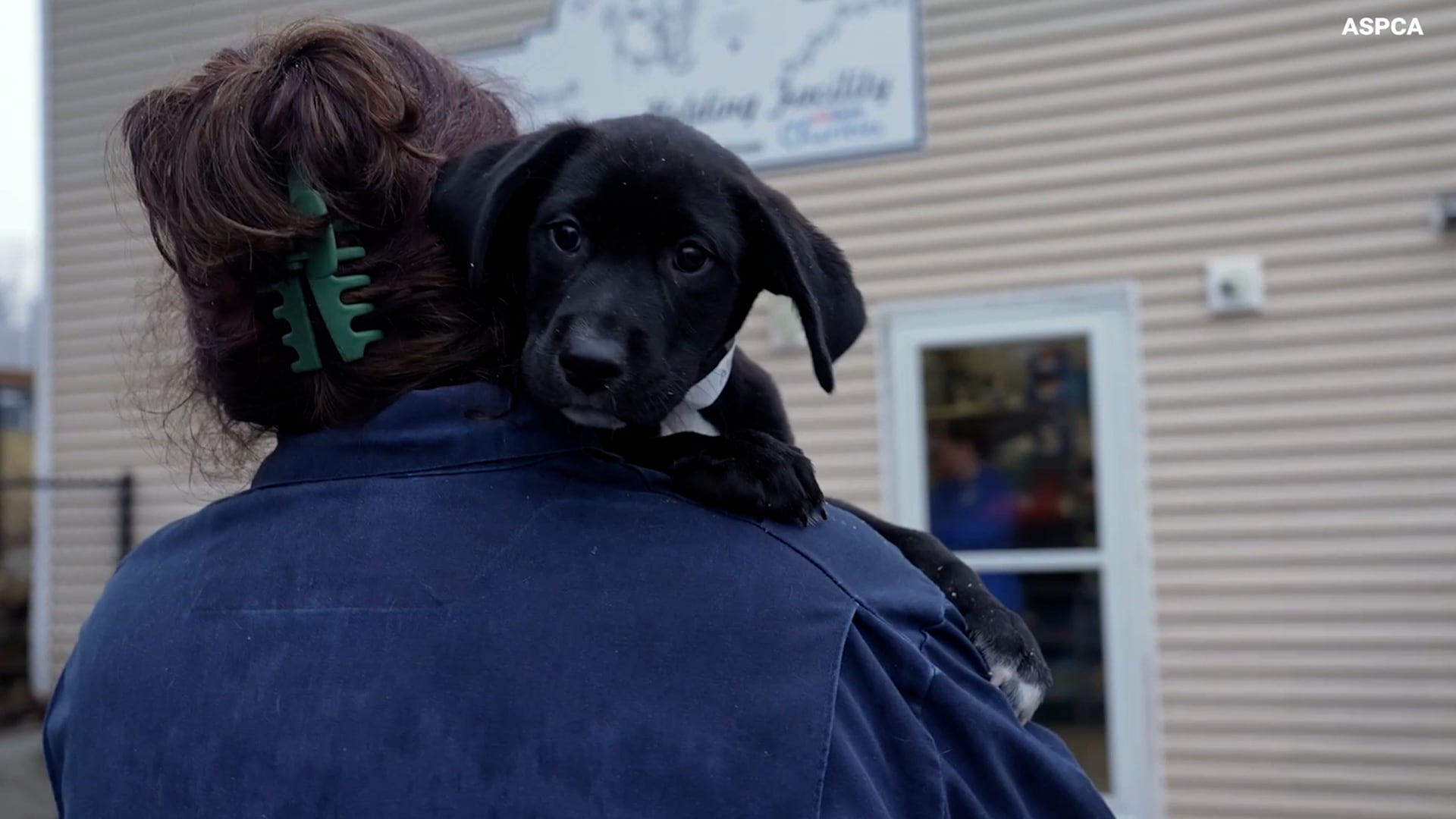
 Terre Haute, IN, October 2, 2026 — A significant challenge is impacting animal shelters across the United States: a widespread geographic mismatch between pet populations and adopter demand. This disparity means that regions with a higher number of animals in need often have fewer individuals actively seeking to adopt.
This situation has led to shelters in certain areas becoming critically overwhelmed, straining resources and capacity. In response, organizations are implementing strategic solutions to alleviate the pressure and save animal lives.
One prominent initiative addressing this national trend is the ASPCA’s relocation network. This program facilitates the transport of pets from areas with high shelter populations to regions experiencing greater demand for adoption. These relocations involve moving animals hundreds of miles, utilizing various methods including air transport to cover significant distances efficiently.
The goal of such networks is to connect animals with potential adopters by overcoming the geographic barriers that contribute to overcrowding. For instance, animals are being transported to areas like Kansas City, Missouri, identified as a region with a greater capacity and demand for adoptions. This process aims to increase the chances of these animals finding permanent homes.
The provided summary details this national issue and highlights specific examples of relocation efforts. It is important to note that information regarding Terre Haute was not included in the summary and therefore is not detailed in this report.
Story summarized from the original created by Kristin Crowley, Shannon Weston on www.wthitv.com, see more information here.
Media gallery

